
Effective fight against hemorrhoids
Hemorrhoids, also known as anal varices, are a very common problem in modern society. With age, the number of cases increases significantly. It is estimated that up to half of people over the age of 50 may struggle with this condition.

When should you see a specialist?
Hemorrhoidal disease manifests primarily as significant discomfort in daily life. Itching, pain, and burning occur. The presence of blood in the toilet, on paper, or on underwear is characteristic. This symptom should be a warning sign for us, as bleeding from the lower gastrointestinal tract may indicate that we need hemorrhoid removal and we should contact a specialist as soon as possible. Depending on the occurrence of specific symptoms, a 4-stage scale of disease severity is distinguished, with stage IV defining the most developed form (lumps outside the anal canal without the possibility of manual reduction and accompanying ailments).
What are the causes of hemorrhoids?
The cause of hemorrhoids is an increase in venous pressure in the vessels located in the anal area. Situations such as chronic constipation, anal sex, excessive straining during bowel movements, or certain competitive sports predispose to this. Lifestyle also plays a major role in the development of hemorrhoids. A diet low in dietary fiber, a sedentary lifestyle, or obesity – each of these factors can be of great importance in the development of the condition.
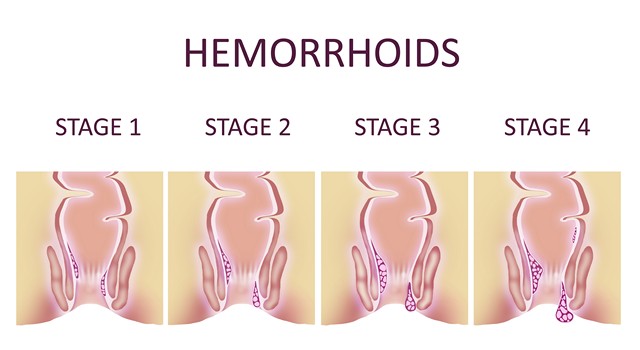
What does hemorrhoid treatment involve?
The removal of hemorrhoids in cases where conservative treatment has been ineffective involves specialized procedures, including sclerotherapy. This method involves injecting a specific solution at the base of the hemorrhoid, which causes inflammation. As a result, fibrosis of the venous walls occurs, and anal varicose veins shrink due to reduced blood flow. The procedure itself is fairly short (ranging from a dozen or so minutes to half an hour), and its duration depends on the number of lesions requiring treatment. Sclerotherapy is one of the most effective methods for treating hemorrhoids in patients—with significant improvement observed in up to 90 % of cases. It is also characterized by a high safety profile. However, certain medical conditions preclude the possibility of undergoing the procedure—pregnancy, cancer, deep vein thrombosis of the lower extremities, as well as hemorrhoidal lesions protruding beyond the anal opening.
It is worth consulting a doctor
The diagnosis of hemorrhoids is based on a doctor's visit, who through an interview and physical examination of the patient (including a ”per rectum" examination) can make an appropriate diagnosis. The use of additional diagnostic methods may be necessary. Many patients forego consultation due to embarrassment. However, it should be remembered that any abnormalities require a specialist diagnosis, as they can rule out very serious disorders. In addition, prompt diagnosis and the implementation of treatment make it possible to limit the development of the pathology.
Performing an effective procedure does not relieve patients of the obligation to behave sensibly in daily life. It is important to remember to consume foods with a high dietary fiber content and drink an adequate amount of water. Additionally, moderate physical activity and adherence to proper hygiene rules are recommended.
Leave a Reply
You must be logged in to post a comment.