
Who can benefit from art therapy?

The modern lifestyle and technological development have led to the emergence of numerous lifestyle-related disorders and diseases, which are linked to a work and rest routine that is too stressful and detached from nature. Consequently, today's alternative medicine is searching for new therapeutic methods that would allow for good results in the treatment of many diseases. In recent years, art therapy has become an increasingly common therapeutic method. It is a form of psychotherapy that involves the use of art and its creation in order to induce specific health effects in the course of a wide range of diseases and disorders.
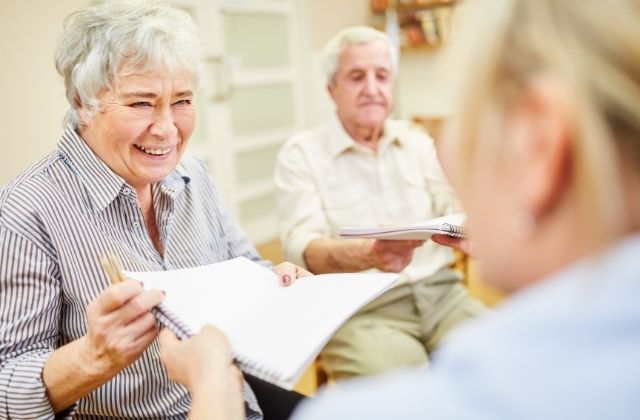
What is art therapy?
Art therapy is a method used in contemporary psychotherapy, which involves creating art and experiencing it very closely. The goal of artistic activities performed during the therapeutic process is not to develop talent. This creativity is also not subject to evaluation on a scale of virtuosity and specific skills.
Creating art in art therapy is a simple method for patients to find a path to their own world of emotions, which is very often closed and inscrutable as a result of various traumatic experiences or developmental-cognitive disorders. Treatment through art involves the use of various types of artistic objects, such as sculpture, painting, music, or dance, for therapeutic purposes in people of various ages and health conditions.
A professional art therapist can elicit a positive response in patients for whom other types of psychotherapeutic methods did not produce the desired therapeutic effects. This happens as a result of strong emotional involvement in the creative process, the final effect of which can sometimes say more about the patient's condition than a thousand words expressed by them.
Who is art therapy intended for?
Art therapy is a method used with patients of all ages who are not required to have any preparation in a given field. Treatment through art is mainly associated with therapy for the youngest, but the form of artistic activities is also very suitable for mature and elderly people.
When it comes to the youngest patients, the method known as art therapy – healing through art, brings the best health effects and is increasingly widely used. These are mainly autistic children, with emotional disorders, and after severe trauma.
Among adults, those predisposed to this type of treatment are individuals exhibiting anxiety and depressive disorders. Art therapy is also used in patients after severe, traumatic experiences and those struggling with addiction. Cancer patients derive great benefit from art therapy. The therapy allows them a moment of oblivion and an escape from everyday reality, which is largely associated with thinking about their illness.
Individuals who undergo therapy through engagement in the creative process are calmer, tension-free, and happier. There are as many methods of art therapy as there are fields of art. Each of them has a different therapeutic effect, so before choosing a specific form of art therapy, it is worth consulting its selection with a therapist.
Leave a Reply
You must be logged in to post a comment.