
How to support a child in learning to walk? Toys and accessories that help

A child's first steps are one of the most emotional moments in parents' lives. Before the little one walks steadily, however, they need a bit of support – both emotional and physical. Every child learns to walk at their own pace, which is why it is crucial to create the right conditions for learning, ensure safety, and encourage movement through play.
What toys help with learning to walk?
Learning to walk is a process in which well-fitting plays an important role selected accessories. It is precisely these that can encourage a child to take their first steps and help them understand how to maintain balance. A great starting point will be the article: „Toys for learning to walk: which ones to choose and what is worth buying?„, where you will find practical tips and concrete examples of toys that support this stage of development.
In practice, they work very well classic push toys and ride-ons, which help the child maintain balance while giving a sense of independence. Additional light or sound effects make the toddler more eager to try, and learning becomes a pleasure. It must be admitted that children learn best when play goes hand in hand with movement.
Is it worth buying a walker?
Many parents wonder if a baby walker is a good way to support learning to walk. The answer depends mainly on how and when it will be used. A walker should not replace independent attempts, but it can be a supplement to them. It supports balance, teaches coordination and gives the child a sense of security.
It is worth choosing stable models with a wide base and height adjustment. This makes them easy to adjust to the child's height and ensures proper posture. If you want to see the current offers, you can find them in the category walkers in the Parent Store. The products available there combine functionality with aesthetics, making them both practical and visually appealing.
How to prepare a space for learning to walk?
Before the toddler starts practicing their first steps, it is a good idea to prepare the space at home. Remove small objects from the floor, secure furniture edges, and make sure the surface is not slippery. Interestingly, many physical therapists recommend that children were learning to walk barefoot – this helps them better feel the ground and develop foot muscles.
Also remember not to hold the child too tightly or do not lead him forcibly by the hand. In practice, it is best when he has freedom of movement and decides for himself when to try again. Such experiences build his self-confidence and develop coordination.
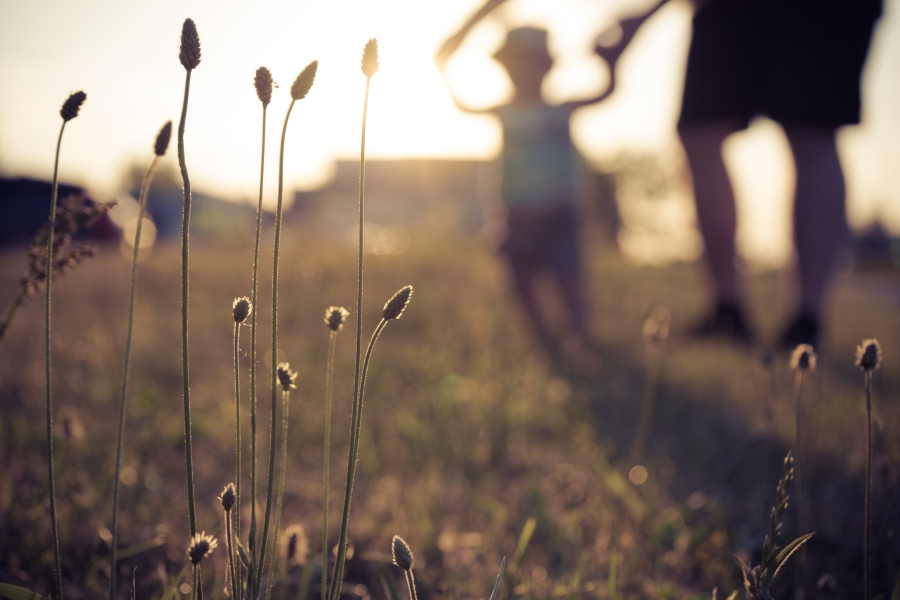
Emotional support is the key to success
Learning to walk is not only a physical challenge for a toddler, but an emotional one as well. The first falls can cause frustration, which is why the parent's role here is huge. Just a few words of encouragement, a smile, and patience are enough for the child to regain enthusiasm for further learning. What is more, joint walking attempts are a great moment for building bonds and trust. Do not rush this process – every toddler has their own rhythm. If they don't feel like practicing on a given day, let them rest. Sometimes, after a short break, the child returns with new energy and surprises their parents with further progress.
Accessories that make learning to walk easier
In addition to walkers and push toys, it is worth paying attention to other accessories that support learning to walk on a daily basis. These include:
- soft mats – they absorb falls and provide comfort during play,
- non-slip socks – increase stability and prevent slips,
- low tables or poufs – help the child stand up and maintain balance.
Such details often matter a great deal. A few simple changes to the space are enough to make learning to walk safe, free, and joyful.
Summary: patience is key
A child's first steps are a beautiful yet demanding stage – for both the little one and the parents. Properly chosen toys, push walkers, and accessories can significantly facilitate learning and boost a child's confidence. It is worth remembering that every child develops at their own pace – the parent's role is merely to accompany, support, and create conditions in which the little one feels safe.
Leave a Reply
You must be logged in to post a comment.